Since 2017, SOWA has partnered with King County Best Starts to expand access to high-quality afterschool and summer programs for youth ages 5-13 across King County. Through two rounds of funding, more than $30 million has been invested to support community-based organizations providing culturally relevant expanded learning opportunities.
In addition to funding, SOWA provides professional development and quality improvement support through the Youth Program Quality Intervention (YPQI). This approach helps organizations assess program quality, strengthen staff practices, and create engaging, supportive learning environments for youth.
Programs are selected through a peer-review process, with final funding decisions made by King County Best Starts for Kids.
Questions? Email us at expandedlearning@schoolsoutwashington.org
About the grantees
Best Starts Expanded Learning Initiative grantees offer expanded learning programs in King County for young people (ages 5-13) who are BIPOC and/or living in poverty. In the first three years of the initiative, 30 BIPOC-led organizations and nine Place-Based Collaboratives reached nearly 14,000 youth, serving an average of 2,250 youth per day.
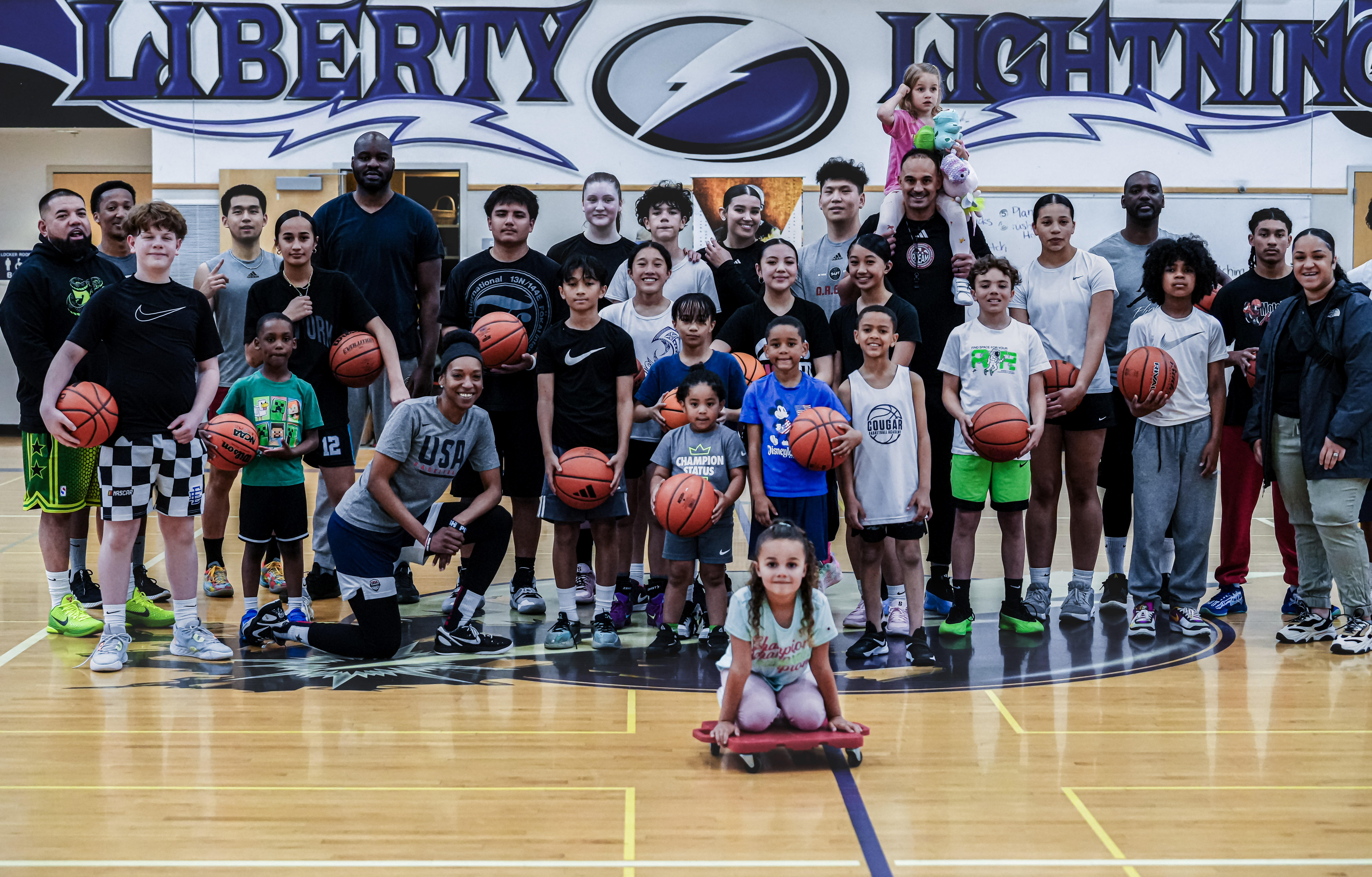
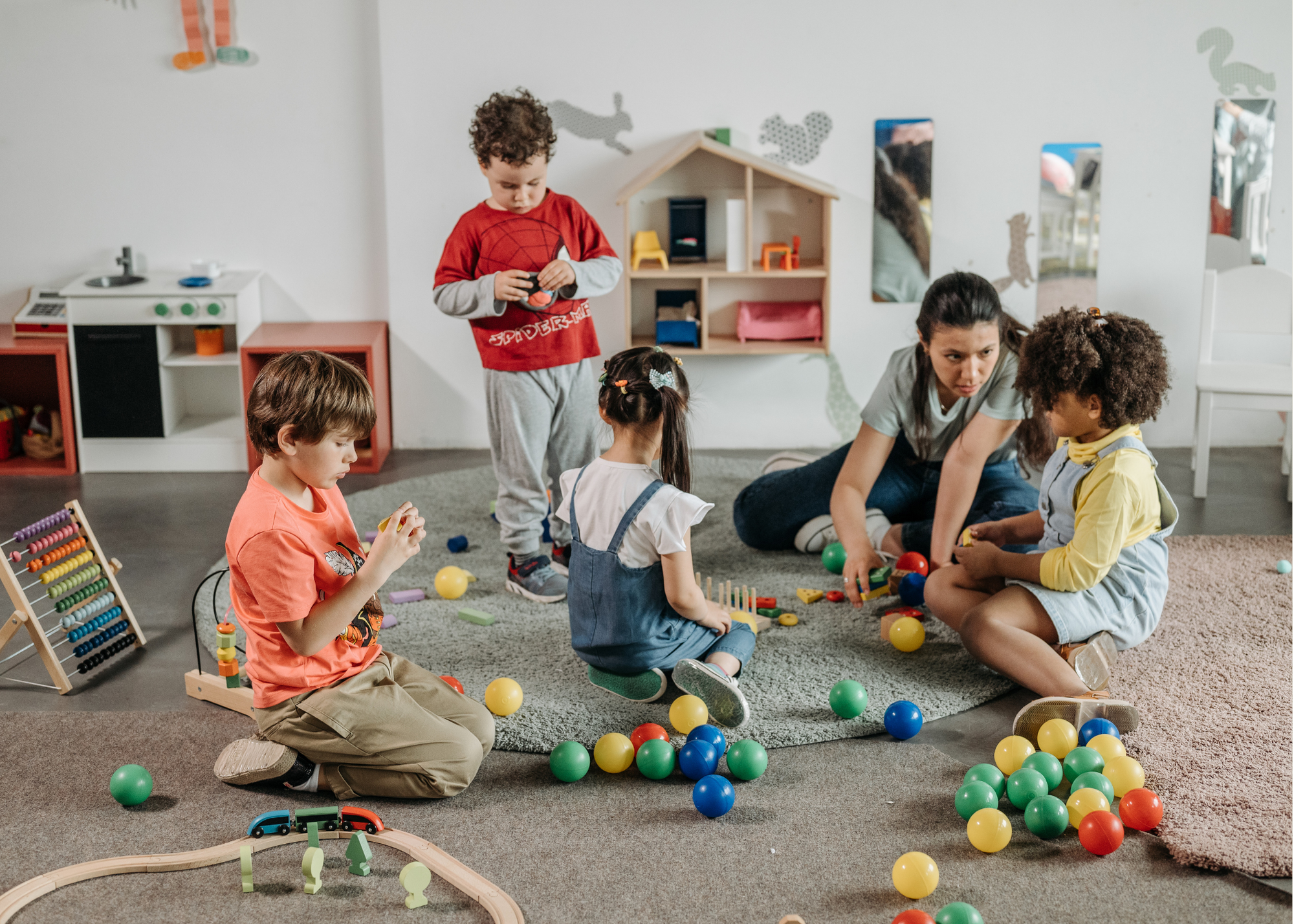
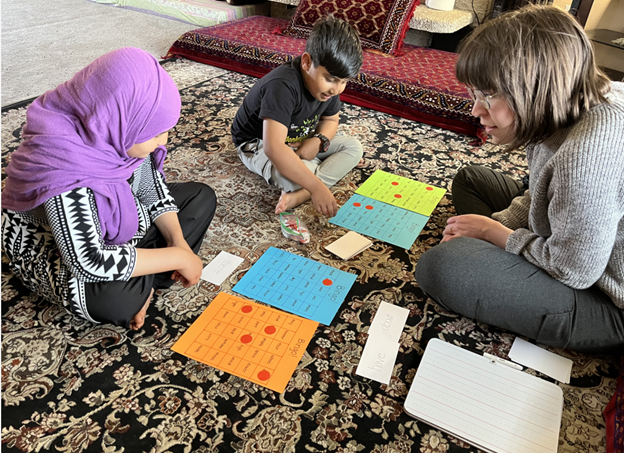
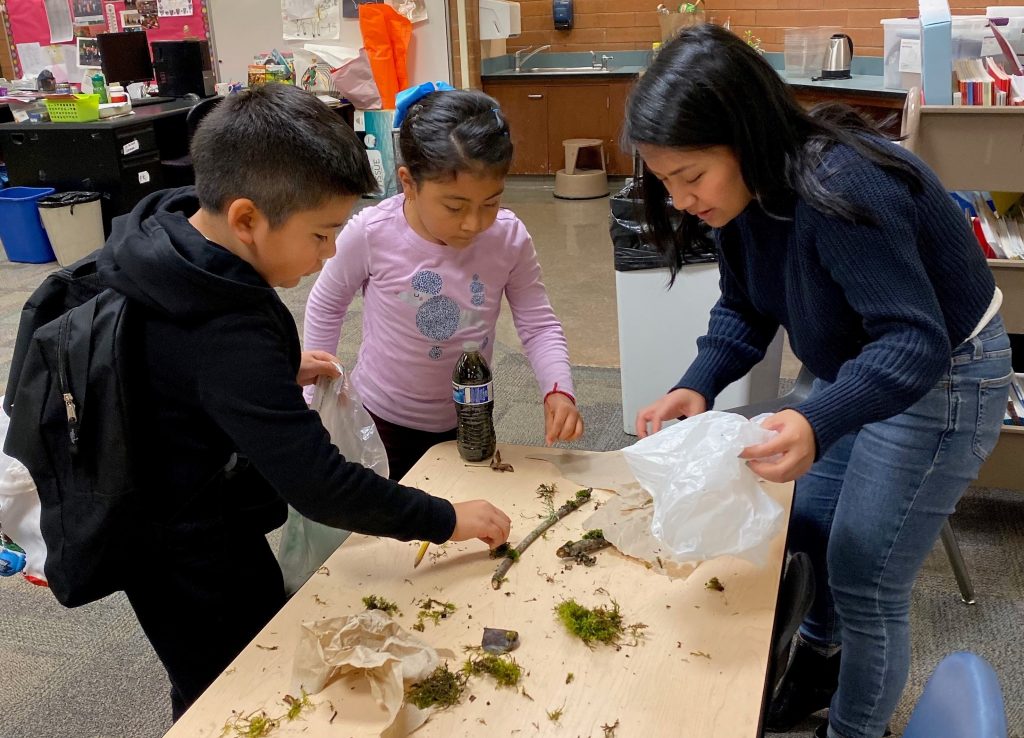
Programs funded through this initiative offer a wide range of afterschool and summer program experiences for youth, including:
- Educational enrichment, including STEM activities, homework help, and tutoring;
- Cultural and social development activities;
- Recreation, physical activity, and health promotion;
- Visual and performing arts; and
- Social-emotional and leadership skill building.
A common thread linking all grantees is the goal of offering a safe, supportive program environment to build relationships and skills that help young people thrive. All programs participate in the YPQI with SOWA to strengthen program quality and build strong staff practices through assessment, training, coaching, and peer learning across the initiative.
Best Starts Expanded Learning Initiative programs support youth outcomes in the following areas: Social Emotional Learning, Supportive Relationships, School Success, Community Engagement, Health & Wellness, and Skills Development. Overall, 86% of youth have met the outcomes set by programs within the initiative.